
Optimize Discord bots for Android clans is crucial for clans looking to maximize efficiency and user experience. Discord bots can be game-changers for Android clans, but getting them running smoothly requires careful optimization. This guide dives into the specifics of building and maintaining effective bots tailored for Android devices, addressing performance bottlenecks, API strategies, and UI/UX design. We’ll also touch on security and testing, making sure your bot is robust and reliable for all Android users.
Android devices have unique characteristics that impact bot performance. This means understanding potential issues and implementing solutions specific to Android is essential. We’ll cover everything from identifying performance bottlenecks to crafting an optimal user interface. Ultimately, the goal is to create a bot that’s both powerful and user-friendly for your Android clan members.
Introduction to Discord Bots for Android Clans
Discord bots are essentially automated programs that run within the Discord platform. They perform various tasks, from managing members and roles to providing information and entertainment, freeing up human moderators to focus on more complex tasks. Think of them as little digital helpers that can handle repetitive tasks, making the experience smoother for everyone in the clan.Android clans using Discord bots face unique challenges.
Mobile devices often have limited processing power and bandwidth compared to desktop computers. Battery life is a critical concern, and clans need to ensure bot functions don’t drain the battery too quickly. Network connectivity can also be inconsistent, impacting the reliability of bot commands. These factors necessitate a tailored approach to bot optimization for Android users.
Specific Needs of Android Clans
Optimizing Discord bots for Android clans requires careful consideration of the platform’s limitations. Android devices vary significantly in terms of hardware specifications, from older low-end phones to more recent high-end devices. This diversity necessitates a bot design that can adapt to different performance levels. Bots should be lightweight and efficient, minimizing the strain on the device’s resources.
They must also handle intermittent network issues gracefully, ensuring that crucial commands and information continue to function even with temporary connectivity problems.
Technical Aspects of Android Discord Bots
Android devices utilize the Java programming language extensively for app development. Discord bots are often written in languages like Python, JavaScript, or C++. Bridging this language gap is crucial. This usually involves APIs (Application Programming Interfaces) that allow bots to communicate with the Discord platform. Understanding the specific Android APIs for interacting with Discord bots is critical.
Efficient data handling and memory management are essential to prevent performance issues and maintain a smooth user experience.
Importance of Optimization
Optimized bots directly impact the user experience for Android clan members. A well-optimized bot can handle commands quickly, reducing latency and improving responsiveness. Efficient resource utilization ensures longer battery life, a significant concern for mobile users. Optimized bots can also adapt to different network conditions, maintaining reliability and consistency, even with fluctuating internet speeds. This adaptability is crucial for a positive and consistent user experience.
Discord Bot Optimization Strategies
Implementing effective optimization strategies is paramount. One key strategy is to leverage asynchronous operations, allowing the bot to perform multiple tasks concurrently without blocking the main thread. This approach prevents delays and ensures a responsive experience. Another strategy involves using efficient data structures and algorithms. Choosing appropriate data structures (like hashmaps for fast lookups) and optimized algorithms (like sorting algorithms for member lists) can significantly improve bot performance.
Optimizing Discord bots for Android clans is crucial for keeping things organized, but you also gotta think about how to fund those cool new Android metaverse games, right? Check out these crowdfunding tips for indie Android metaverse games here – they’ll totally help you brainstorm some ways to get the funds flowing to develop those next-level Discord bot features.
Plus, a well-funded game means more engagement and a better experience for your clan on Discord.
This ensures the bot doesn’t slow down as the clan grows.
Identifying Performance Bottlenecks
Discord bots for Android clans can face various performance hurdles, especially when dealing with a large number of users and complex commands. Understanding these potential bottlenecks is crucial for building robust and responsive bots that provide a smooth experience for everyone. Optimization techniques tailored for Android devices are key to success.
Potential Performance Bottlenecks
Android devices often have varying processing power and network connectivity. This variability can significantly impact bot performance. Bots that rely heavily on computationally intensive tasks or require frequent network interactions are particularly susceptible to performance issues. Lag and instability are common problems for Android users, often stemming from inefficient code or resource mismanagement within the bot.
Common Android User Issues
Android users interacting with Discord bots might encounter slow responses to commands, delayed message delivery, or even bot crashes. These problems can stem from issues like insufficient RAM on the device, poor network conditions, or excessive requests from the bot. High user traffic and complex bot functionality can also contribute to slow response times. For example, if a bot needs to process a large image upload or perform complex calculations, it could lead to significant delays on less powerful devices.
Discord Bot Architectures and Performance
Different Discord bot architectures have varying performance characteristics on Android. Bots built with event-driven architectures, for instance, might perform better under high load than those using a threaded approach. Event-driven bots are designed to react to events as they occur, avoiding the overhead of constantly checking for updates. The architecture choice influences responsiveness, particularly when dealing with a multitude of simultaneous user interactions.
Measuring and Tracking Bot Performance
Tracking bot performance on Android devices requires careful monitoring. Tools like profiling software can help identify bottlenecks in the code. Analyzing response times for different commands, along with the overall bot uptime, provides crucial insights. By tracking these metrics, developers can identify performance issues and optimize their bots accordingly. Regular testing on various Android devices with different configurations can ensure a wider range of performance is evaluated.
Causes of Bot Latency and Instability
Bot latency and instability can stem from several factors. Inefficient database queries, excessive API calls, or poorly optimized algorithms can all contribute to delays. Furthermore, the Android operating system itself can introduce latency depending on background processes and system resource allocation. Poor error handling can also lead to instability, causing the bot to crash or freeze.
Potential Performance Issues and Solutions
| Issue | Description | Potential Solution | Impact |
|---|---|---|---|
| High CPU Usage | The bot is consuming excessive processing power. | Optimize algorithms, reduce unnecessary computations, and use asynchronous operations. | Slow response times, potential crashes. |
| High Memory Usage | The bot is consuming excessive RAM. | Implement memory management techniques, use efficient data structures, and release resources when not needed. | App instability, slowdowns, crashes. |
| Network Latency | Slow or unreliable network connection impacts bot response. | Optimize network requests, use caching mechanisms, and implement error handling for network failures. | Delayed responses, unstable connection. |
| Poorly Optimized Code | Inefficient coding practices lead to slow performance. | Refactor code for better efficiency, use optimized libraries, and carefully manage asynchronous operations. | Overall performance degradation. |
Optimizing Bot Functionality for Android

Android Discord bots, while offering a lot of potential, can face performance hurdles. Understanding the nuances of Android’s environment and adapting bot functionality accordingly is key to creating a smooth user experience for clan members. This involves proactive measures to manage resource consumption and latency, which are crucial for maintaining a responsive and reliable bot.Optimizing a bot for Android means designing for resource limitations, managing data efficiently, and prioritizing quick response times.
This involves a multi-faceted approach encompassing code structure, data handling techniques, and careful consideration of the Android environment. The goal is a bot that seamlessly integrates into the clan’s Discord experience, without lagging or crashing.
Framework for Optimizing Bot Functionality
A well-structured framework is paramount for maintaining bot performance on Android. This involves separating concerns, leveraging libraries, and implementing asynchronous operations. This division allows for modular code, facilitating easier maintenance and scalability. Libraries such as Retrofit or OkHttp can dramatically improve network requests, reducing the load on the device and improving bot responsiveness. Prioritizing asynchronous operations for tasks like fetching data or sending messages is essential to prevent blocking the main thread and ensuring the bot remains responsive.
Methods to Reduce Resource Consumption
Efficient use of resources is vital for a smooth Android experience. This entails minimizing unnecessary data requests, carefully managing memory, and using efficient data structures. Minimizing the amount of data requested at any given time significantly reduces the load on the device. This can involve implementing pagination or caching mechanisms for frequently accessed data. Furthermore, diligent memory management techniques, like garbage collection optimization and proper object lifecycle management, help prevent memory leaks.
Choosing appropriate data structures (e.g., using ArrayLists instead of Vectors for smaller datasets) can also reduce resource consumption.
Strategies for Improving Bot Responsiveness
A responsive bot is key for a positive user experience. Utilizing threads for time-consuming tasks, handling large data sets efficiently, and employing background processes are vital. Multithreading allows the bot to perform tasks concurrently without blocking the main thread, which significantly improves responsiveness. Handling large datasets efficiently, employing techniques like chunking or streaming, can reduce memory pressure and prevent lag.
Leveraging background processes for tasks like fetching data or processing commands allows the bot to operate without impacting the main UI thread.
Efficient Data Handling Techniques
Efficient data handling is essential for a smooth Android experience. Implementing caching mechanisms for frequently accessed data reduces the number of requests to external sources. Proper serialization/deserialization techniques ensure data transfer integrity, preventing data corruption. Employing efficient data structures like HashMaps for fast lookups, and optimizing database queries can dramatically improve performance. Example: caching frequently requested member information locally within the application can reduce latency and improve bot response times.
Reducing Latency for Bot Interactions
Minimizing latency is critical for a seamless bot experience. Optimizing network requests, reducing round-trip times, and employing appropriate caching mechanisms contribute significantly. Optimizing network requests through techniques like using a robust HTTP client (e.g., Retrofit) and utilizing connection pooling reduces latency. Reducing round-trip times by optimizing the bot’s communication protocols can greatly improve responsiveness. Implement appropriate caching mechanisms to store frequently accessed data locally, reducing the need for repeated network requests.
Optimizing Discord bots for Android clans is all about speed, right? Well, gaming performance on mobile can be impacted by a bunch of stuff, like how your phone handles network connections. Thinking about something like Dual SIM vs eSIM for gaming performance tests might help you figure out if switching to a different SIM card type will boost your bot’s response times.
Ultimately, it all comes back to making sure your Android clan Discord bot is running super smooth.
Best Practices for Android Bot Development
Adhering to best practices enhances code maintainability, improves performance, and reduces errors. This includes thorough testing, adherence to Android best practices, and continuous integration/continuous deployment. Thorough testing, encompassing unit tests, integration tests, and user acceptance tests, is vital for ensuring the bot functions correctly and efficiently. Following Android best practices, including proper UI design and adhering to design principles, ensures a user-friendly and visually appealing experience.
Implementing continuous integration/continuous deployment pipelines for bot updates allows for faster releases and more reliable deployments.
API and Data Handling Strategies
Optimizing Discord bots for Android clans hinges heavily on how efficiently they interact with the Discord API and manage the data they receive. Poor API calls and inefficient data handling can lead to slow responses, bot crashes, and ultimately, a frustrating experience for clan members. This section dives into best practices for handling these crucial aspects.Effective API interaction and data management are paramount for Android Discord bots.
They need to balance responsiveness with the limitations of the Android platform, ensuring a smooth and reliable user experience within the clan. This involves strategic API calls, clever data structures, and careful consideration of Android’s memory management.
Optimal Strategies for Interacting with Discord APIs
Android bots need to be designed with careful consideration for the Discord API rate limits. Exceeding these limits can lead to temporary or permanent suspensions. Implementing a rate limiting strategy within the bot is crucial. Consider using libraries that handle rate limiting automatically. Furthermore, using asynchronous operations (like coroutines in Kotlin) is essential for avoiding blocking the main thread, which is critical for responsiveness.
Proper error handling and retry mechanisms should also be incorporated to mitigate issues caused by temporary API outages.
Efficient Data Handling Techniques
Data handling is crucial. Android has memory constraints, so minimizing data transfer and storage is essential. Utilize data structures that are optimized for the specific data being processed. For instance, if working with large lists of users, using Kotlin’s `List` or `ArrayList` might be appropriate. Serializing and deserializing data effectively is also important, as this impacts the efficiency of sending and receiving data from the API.
Consider using efficient JSON libraries like Gson or Moshi to streamline this process.
Handling Large Datasets
Large datasets can overwhelm Android’s memory. Techniques like pagination (fetching data in smaller chunks) are vital for handling large amounts of data. Caching frequently accessed data can significantly improve performance. Consider using external storage solutions like Room for database management to prevent loading everything into RAM. Implement a clear strategy for data retrieval and processing to prevent performance bottlenecks.
Data Storage Solutions
Several data storage solutions are available. Room, a lightweight object-relational mapper (ORM), is well-suited for Android applications. It provides a way to map data objects to a relational database, enabling efficient data storage and retrieval. Other options include SharedPreferences for simple data storage and SQLite for more complex scenarios. Choose the solution that best fits the bot’s data storage requirements and complexity.
Optimizing Data Retrieval and Processing
Optimizing data retrieval and processing is key to maintaining a responsive bot. Utilize asynchronous operations to prevent blocking the main thread. Use efficient algorithms for processing data. If dealing with image data, use appropriate techniques for image compression and decompression to reduce the size of the data being transferred and stored. For example, consider using libraries like Glide for efficient image loading and caching.
Comparison of API Calls and Android Implications
| API Call | Description | Android Considerations | Example |
|---|---|---|---|
| Get User Information | Retrieves user details. | Handle potential network errors and rate limits. Use appropriate data structures for user data. | `discordClient.getUser(userId)` |
| Create a Message | Sends a message to a channel. | Ensure the message is properly formatted and within Discord’s character limits. Use asynchronous calls to avoid blocking. | `discordClient.sendMessage(channelId, messageContent)` |
| Get Channel Messages | Retrieves a list of messages from a channel. | Implement pagination to handle potentially large datasets. Cache frequently accessed messages. | `discordClient.getChannelMessages(channelId, limit)` |
User Interface and Experience (UI/UX) Considerations
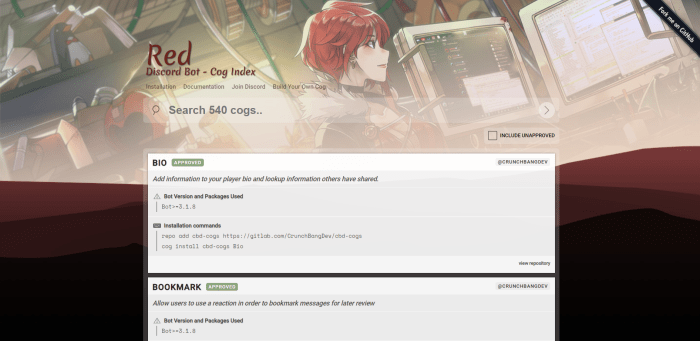
A user-friendly UI is crucial for Android Discord bots aimed at clans. A clunky or confusing interface can quickly deter users, leading to low engagement and ultimately, a bot that isn’t effectively serving the community. A well-designed UI, on the other hand, makes the bot intuitive and valuable, boosting its overall impact.Effective UI design goes beyond aesthetics; it’s about understanding user needs and creating an experience that’s both visually appealing and functionally sound.
This includes clear navigation, easily accessible commands, and a responsive design that adapts to various Android devices.
Importance of a User-Friendly UI
A user-friendly UI enhances user satisfaction and adoption. It allows members to easily find and use bot features, improving their overall experience within the clan environment. This, in turn, strengthens the bot’s value proposition and fosters a more engaged community. Users are more likely to interact with a bot that is straightforward to use.
Designing Intuitive and Accessible UI Elements
Designing intuitive and accessible UI elements is paramount for maximizing user engagement. Clear visual cues, concise text, and logical placement of buttons and commands contribute significantly to user experience. Use consistent styling and branding to reinforce the bot’s identity and provide a seamless user experience. Employing a simple and straightforward layout will aid in reducing user confusion and maximizing usability.
Mobile-Friendly UI Design Patterns, Optimize Discord bots for Android clans
Mobile-friendly UI design patterns for Discord bots should prioritize simplicity and responsiveness. Card-based layouts, which display information concisely and visually, are highly effective. Using expandable sections or panels can present detailed information without overwhelming the user’s view. Icons and visual cues are vital for intuitive navigation, ensuring users can easily understand the bot’s functionalities.
Consistent User Experience Across Devices
Maintaining a consistent user experience across various Android devices is essential. Employing a responsive design that adapts to different screen sizes and resolutions is key. Ensure the layout adjusts automatically, preventing content from being cut off or overlapping on different screen sizes. Consistent typography, color schemes, and interactive elements will further enhance the cohesive user experience.
Importance of Accessibility Features
Accessibility features are crucial for inclusivity. Designing with accessibility in mind ensures that the bot’s functionality is usable by users with disabilities. This involves considering factors such as sufficient color contrast, proper font sizes, and keyboard navigation. The use of alternative text for images and proper screen reader compatibility ensures that users with various needs can interact with the bot effectively.
UI/UX Best Practices for Mobile Discord Bots
| Feature | Description | Example | Implementation Notes |
|---|---|---|---|
| Clear Navigation | Intuitive menus and buttons for easy access to commands. | A dedicated “Commands” tab or a clearly labeled “Settings” button. | Avoid hidden or poorly labeled options. |
| Concise Text | Short, to-the-point descriptions for commands and features. | “Join Clan” instead of “Request to join the clan.” | Avoid jargon or technical terms unless absolutely necessary. |
| Responsive Design | Adjusting layout and content based on screen size. | Dynamically resizing buttons and text fields to fit different screen resolutions. | Ensure optimal viewing experience on various Android devices. |
| Visual Cues | Using icons, colors, and animations to guide users. | Highlighting active buttons or using progress indicators for tasks. | Consistency in visual cues across all bot interactions. |
| Accessibility | Consideration for users with disabilities. | Sufficient color contrast, proper font sizes, and keyboard navigation. | Using WCAG guidelines for accessibility. |
Security and Privacy Measures: Optimize Discord Bots For Android Clans
Building secure Discord bots for Android clans is crucial. Compromised bots can expose sensitive clan data and potentially harm users. Robust security measures are paramount for maintaining trust and protecting the integrity of the bot.Thorough security planning, incorporating best practices, and proactive measures to prevent vulnerabilities are essential to protect your Android bot. This includes understanding and implementing proper data handling and authentication mechanisms, adhering to Discord’s terms of service, and preventing unauthorized access.
Security Best Practices for Android Discord Bots
Implementing strong security practices is fundamental for a secure Android bot. These practices include validating user inputs, using strong passwords, and regularly updating the bot’s code. This reduces the likelihood of vulnerabilities and protects against potential attacks.
- Input Validation: Carefully validate all user inputs to prevent malicious code injection. This includes checking for unexpected characters, potentially harmful commands, and ensuring data types align with expected values. For example, if a command accepts numeric IDs, verify the input is an integer and not something like “DROP TABLE users;”.
- Secure Data Storage: Use encryption to protect sensitive data at rest and in transit. Store credentials securely and avoid hardcoding sensitive information within the bot code. Leverage robust encryption libraries for data encryption and decryption. Consider using a key management system to securely store and manage encryption keys.
- Regular Updates: Maintain up-to-date bot code and dependencies. Security patches are frequently released to address vulnerabilities. Keeping your bot current minimizes the impact of known exploits. This includes following Discord’s updates and patching policies.
Protecting Sensitive Data Within the Bot
Protecting sensitive data is critical for maintaining user trust and compliance. This includes handling user credentials, clan information, and other sensitive details with care.
- Data Minimization: Collect and store only the data absolutely necessary. Avoid storing excessive or unnecessary data points. This reduces the potential attack surface if a breach occurs.
- Data Masking: Mask or anonymize sensitive data whenever possible. This reduces the impact of a potential data breach by limiting the value of compromised information. For example, replacing user IDs with unique tokens.
- Data Encryption: Encrypt data at rest and in transit. Use industry-standard encryption algorithms to protect data from unauthorized access. This is especially important for storing passwords and other confidential user information.
Preventing Unauthorized Access to Bot Functionalities on Android
Preventing unauthorized access to bot functionalities is crucial for maintaining bot security and integrity. Restricting access to specific commands and functions is essential for preventing misuse and protecting sensitive data.
- Access Control: Implement role-based access control to limit bot functionalities based on user roles. Restrict access to critical functions to authorized users only. This allows you to tailor access based on user roles within the Android clan.
- Authentication Mechanisms: Employ robust authentication mechanisms. Use multi-factor authentication (MFA) where appropriate. Strong authentication helps verify the identity of users trying to interact with the bot.
- Rate Limiting: Implement rate limiting to prevent abuse and denial-of-service attacks. Limit the frequency of requests from any single user or IP address. This prevents a single user from overwhelming the bot’s resources.
Complying with Discord’s Terms of Service for Android Bots
Adhering to Discord’s terms of service is essential for bot operation. Understanding and complying with these terms is crucial to avoid account suspension or other penalties.
- Review Discord’s Terms: Thoroughly review and understand Discord’s terms of service, paying particular attention to bot-related guidelines. This ensures your bot operates within Discord’s acceptable use policy.
- Adherence to Guidelines: Ensure your bot’s functionality and behavior comply with Discord’s guidelines for bot operation. This includes respecting user privacy and avoiding any malicious activities.
- Discord API Usage: Follow Discord’s API usage guidelines to avoid violating their rate limits and other restrictions. Ensure you’re using the API correctly to avoid potential penalties.
Implementing Robust Authentication Mechanisms for Android Discord Bots
Implementing strong authentication mechanisms is critical for securing your Android bot. This ensures only authorized users can access and utilize bot functionalities.
- OAuth 2.0: Utilize OAuth 2.0 for secure authorization. This allows users to grant specific permissions to your bot, avoiding direct access to sensitive data.
- API Keys: Use API keys for authentication to control access to specific bot functionalities. Limit API key exposure to prevent unauthorized use. Store API keys securely and never hardcode them within your bot’s code.
- Token Management: Manage tokens securely. Implement token expiry to mitigate risks. Ensure tokens are handled according to best practices, including proper storage and revocation.
Security Checklist for Android Discord Bots
A comprehensive security checklist helps ensure that all critical aspects of bot security are considered.
| Category | Action Items |
|---|---|
| Code Security | Regular code reviews, secure coding practices, vulnerability scanning |
| Data Protection | Encryption at rest and in transit, data minimization, secure storage |
| Access Control | Role-based access control, multi-factor authentication, rate limiting |
| Compliance | Adherence to Discord’s terms of service, API usage guidelines |
Testing and Debugging

Testing and debugging Android Discord bots is crucial for ensuring a smooth user experience and preventing frustrating issues. Thorough testing, combined with effective debugging strategies, helps identify and resolve bugs early, ultimately leading to a robust and reliable bot. This process is like meticulously checking a car before a race; you want to catch any potential problems before they cause a major malfunction.
Testing Strategies for Android Discord Bots
Thorough testing is key to identifying potential problems in your Android Discord bot before it’s deployed. A comprehensive testing strategy should include various scenarios to mimic real-world user interactions. This helps ensure the bot functions correctly across different situations.
- Unit Testing: Isolate individual components of the bot, like commands, API calls, or data handling, to verify their functionality. This ensures that each piece works correctly in isolation before integrating them into the complete bot.
- Integration Testing: Verify that different modules of the bot interact correctly with each other. This is like checking that the engine, transmission, and brakes of a car all work together smoothly.
- Functional Testing: Test the bot’s end-to-end functionality, simulating user interactions with the Discord platform. This ensures the bot responds as expected to various commands and user inputs. Examples include testing commands like joining a server, sending messages, and interacting with different channels.
- Performance Testing: Evaluate the bot’s responsiveness and stability under various loads. This involves simulating multiple users interacting with the bot simultaneously. This is like putting the car through a high-speed race to ensure it doesn’t overheat or break down.
- Security Testing: Check for vulnerabilities in the bot’s code. This is essential to protect against potential attacks. This is similar to checking a car’s security features like anti-theft devices.
Methods for Identifying and Resolving Bugs
Identifying and fixing bugs in an Android Discord bot requires a systematic approach. This helps to isolate the source of the problem and prevent similar issues in the future.
- Logging: Implement robust logging to track events and errors. This helps in understanding the flow of execution and pinpointing the specific point where a problem arises. For instance, you might log when a command is received, when data is fetched, and when an error occurs.
- Debugging Tools: Leverage Android Studio’s debugging tools. These tools provide insights into the bot’s internal state during execution, allowing you to step through code and examine variables. This is similar to using a car’s diagnostic tools to identify problems with the engine.
- Reproducing the Bug: Carefully document the steps required to reproduce the bug. This helps in understanding the conditions under which the error occurs and assists in finding a fix. This is like creating a step-by-step recipe to replicate the car’s malfunctioning behavior.
- Error Handling: Implement proper error handling mechanisms. This is crucial for preventing crashes and ensuring the bot gracefully handles unexpected situations. This is like having safety mechanisms in the car to prevent accidents.
Examples of Testing Different Use Cases
Testing different use cases ensures the bot functions correctly in various scenarios.
- Command Handling: Test various command structures, including valid and invalid inputs, to verify that the bot processes commands correctly and provides informative responses. Example: Test a command with missing parameters or incorrect formatting to ensure the bot handles it appropriately.
- API Interactions: Test interactions with the Discord API to ensure the bot fetches and sends data correctly. Example: Test different data retrieval methods for various types of information, such as member lists or message content.
- Data Handling: Test different data types, amounts, and formats to ensure the bot handles them appropriately. Example: Test sending large amounts of data or complex data structures.
Simulating User Interactions
Simulating various user interactions helps in comprehensive testing.
- Automated Testing: Use automated testing frameworks to simulate various user interactions with the bot, including sending messages, reacting to messages, and using different commands. Example: Use tools like Espresso or Robolectric to simulate user actions.
- Manual Testing: Manually test different use cases by interacting with the bot in a similar way to how real users would. Example: Try using different commands and observing the bot’s responses.
Debugging Strategies for Android Discord Bots
Effective debugging involves using a structured approach to identify and fix errors.
- Isolate the Problem: Identify the specific part of the code that is causing the issue. Example: Use logging and debugging tools to isolate the problematic section.
- Step-by-Step Debugging: Carefully examine the code execution step-by-step to identify the point where the error occurs. Example: Use a debugger to trace the execution path and inspect variables.
- Check Error Messages: Carefully analyze error messages for clues about the cause of the problem. Example: Examine the error messages to understand the nature of the issue.
Comprehensive Bot Testing Checklist
This checklist ensures a comprehensive testing process.
| Test Category | Specific Tests |
|---|---|
| Unit Testing | Verify individual modules, validate input and output |
| Integration Testing | Ensure modules work together, validate data flow |
| Functional Testing | Verify bot’s functionality in different use cases |
| Performance Testing | Assess bot’s responsiveness under different loads |
| Security Testing | Check for vulnerabilities, validate authentication |
End of Discussion
In conclusion, optimizing Discord bots for Android clans requires a multifaceted approach. From understanding performance bottlenecks and API interactions to crafting a seamless user interface and implementing robust security measures, this guide provides a comprehensive framework. By following the strategies Artikeld here, you can ensure your bot functions flawlessly and provides an exceptional experience for your Android clan members, fostering a more engaged and productive community.
